Sunkissed Farm
Sunkissed Farm
Sunkissed Farm
From No Commercial Footprint to $4M and Their Own Dispensary
From No Commercial Footprint to $4M and Their Own Dispensary
From No Commercial Footprint to $4M and Their Own Dispensary
Live Website:
www.sunkissed.farm
Role:
Role:
Brand Identity
Brand Identity
Brand Identity
,
,
Packaging
Packaging
Packaging
,
,
Website
Website
Website
,
,
Film
Film
Film
,
,
Strategy
Strategy
Strategy
When Vermont legalized regulated retail sales, Sunkissed Farm had not sold a single unit of flower or preroll. It was still in presale, growing its first harvest, and about to enter a market where more than 200 Vermont brands were already on shelves. The buyer who mattered on day one was a dispensary owner deciding in a few seconds whether this was a serious farm or another startup with nice packaging and nothing behind it.
Almost every brand in the state looked one of two ways. The stoner cliche, or a coat of premium gloss. So the first decision was to refuse the word premium. Every label was already using it, and to the founders it had stopped carrying meaning. A claim that every competitor makes is not a position. It is noise a buyer has learned to skip.
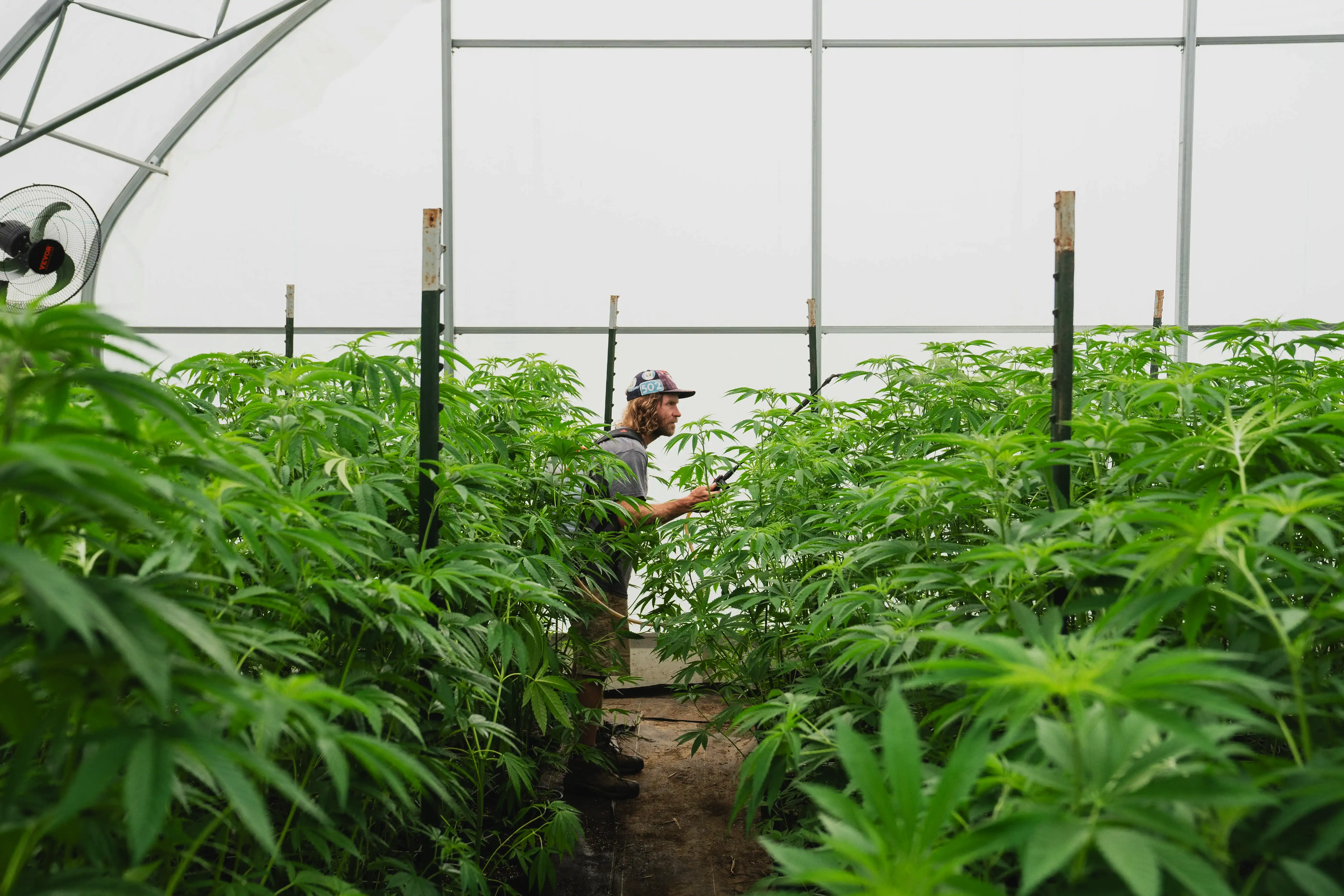
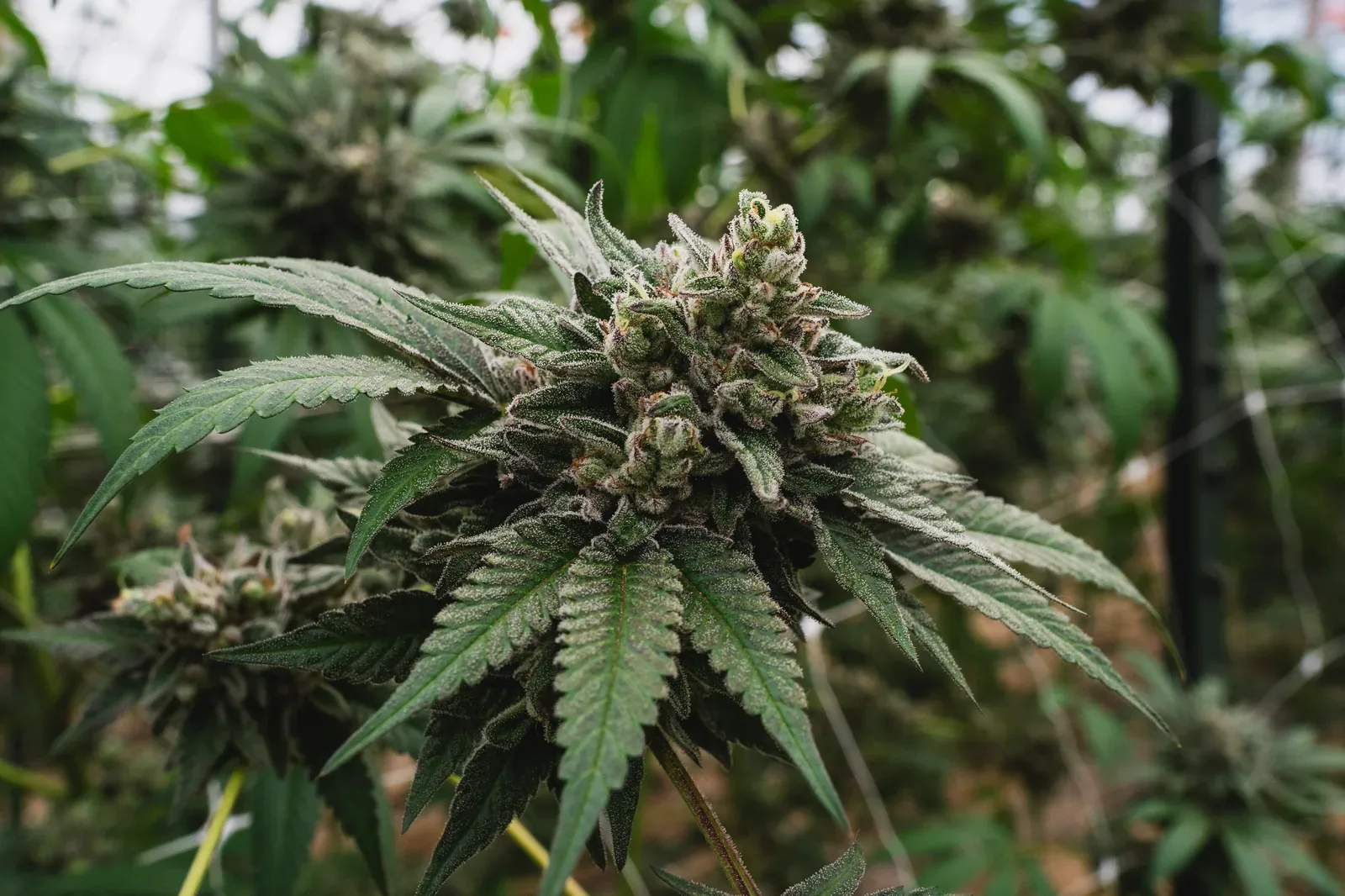
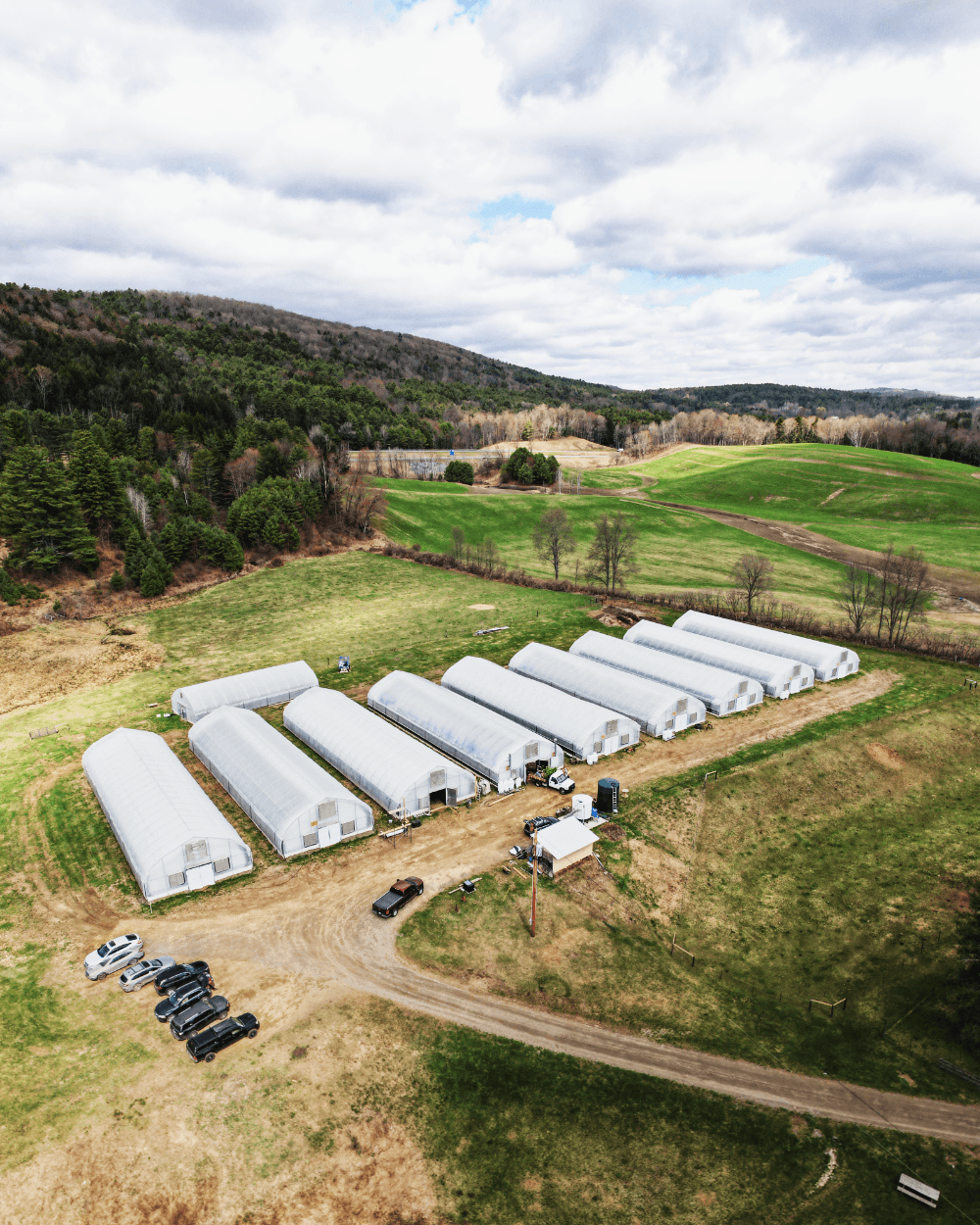
What Sunkissed had instead was harder to copy. The land and the farm had history. The growing followed a real methodology, and the plants were bred in house. That is closer to an artisanal winery or a craft brewery than to a cannabis startup, a place where how the crop is grown matters as much as how it is finished. Vermont buyers already know how to read that category, because the state is full of heritage producers and the signals are familiar to them. Several directions were built and tested before landing on the one the farm could live inside.
Positioning only works if it survives contact with the buyer, so it had to hold on every surface a dispensary owner or a customer would ever meet. Two of those surfaces did most of the commercial work. The wholesale catalog is what a buyer reads while deciding whether to open an account, so it had to make the case for the farm before it made the case for any single product. The packaging is what a customer meets on a shelf next to fifty other jars, with no salesperson and about two seconds to be understood. Voice, website, and search carried the same read for anyone who went looking afterward.
There was one more constraint. The farm has two founders who each describe the place in their own way, so the voice had to hold both without sounding like two companies talking.
Sunkissed Farm is now carried in more than 60 dispensaries across Vermont, has done roughly $4M since 2023, and has opened its own storefront in Woodstock, now approaching its first $1M.
Brad, cofounder, on what got them there: "Before we started working together there were zero dispensary accounts and essentially no commercial footprint. The brand work (and Angel coming on from the beginning) is what allowed us to go out and actually sell."
That is the honest attribution. The brand was one part of a business that also had to grow well, sell well, and get product on shelves. What it did was let a farm nobody had heard of be taken seriously in a room of 200 competitors on day one. It never leaned on being old. It leaned on being from one specific place, and that place carried it.
When Vermont legalized regulated retail sales, Sunkissed Farm had not sold a single unit of flower or preroll. It was still in presale, growing its first harvest, and about to enter a market where more than 200 Vermont brands were already on shelves. The buyer who mattered on day one was a dispensary owner deciding in a few seconds whether this was a serious farm or another startup with nice packaging and nothing behind it.
Almost every brand in the state looked one of two ways. The stoner cliche, or a coat of premium gloss. So the first decision was to refuse the word premium. Every label was already using it, and to the founders it had stopped carrying meaning. A claim that every competitor makes is not a position. It is noise a buyer has learned to skip.
What Sunkissed had instead was harder to copy. The land and the farm had history. The growing followed a real methodology, and the plants were bred in house. That is closer to an artisanal winery or a craft brewery than to a cannabis startup, a place where how the crop is grown matters as much as how it is finished. Vermont buyers already know how to read that category, because the state is full of heritage producers and the signals are familiar to them. Several directions were built and tested before landing on the one the farm could live inside.
Positioning only works if it survives contact with the buyer, so it had to hold on every surface a dispensary owner or a customer would ever meet. Two of those surfaces did most of the commercial work. The wholesale catalog is what a buyer reads while deciding whether to open an account, so it had to make the case for the farm before it made the case for any single product. The packaging is what a customer meets on a shelf next to fifty other jars, with no salesperson and about two seconds to be understood. Voice, website, and search carried the same read for anyone who went looking afterward.
There was one more constraint. The farm has two founders who each describe the place in their own way, so the voice had to hold both without sounding like two companies talking.
Sunkissed Farm is now carried in more than 60 dispensaries across Vermont, has done roughly $4M since 2023, and has opened its own storefront in Woodstock, now approaching its first $1M.
Brad, cofounder, on what got them there: "Before we started working together there were zero dispensary accounts and essentially no commercial footprint. The brand work (and Angel coming on from the beginning) is what allowed us to go out and actually sell."
That is the honest attribution. The brand was one part of a business that also had to grow well, sell well, and get product on shelves. What it did was let a farm nobody had heard of be taken seriously in a room of 200 competitors on day one. It never leaned on being old. It leaned on being from one specific place, and that place carried it.


"
"
"Before we started working together there were zero dispensary accounts and essentially no commercial footprint. Joel Angel coming on from the beginning is what allowed us to go out and actually sell."
"Before we started working together there were zero dispensary accounts and essentially no commercial footprint. Joel Angel coming on from the beginning is what allowed us to go out and actually sell."
Brad Macrae, Cofounder, Head of Cultivation of Sunkissed Farm
Brad Macrae, Cofounder, Head of Cultivation of Sunkissed Farm
Brad Macrae, Cofounder, Head of Cultivation of Sunkissed Farm
"
"


Other Projects
Other Projects